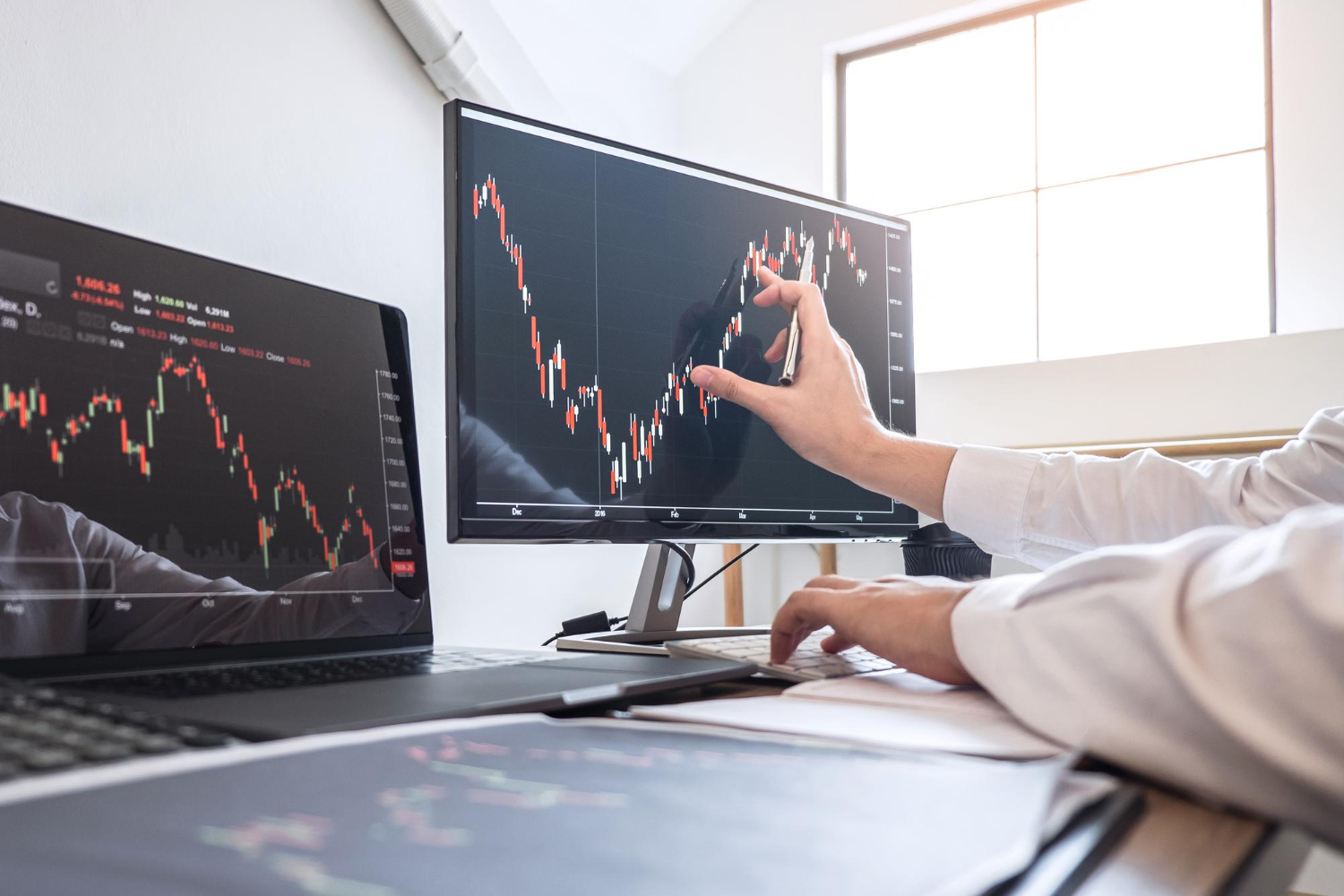
Navigating the Forex market in Malaysia presents both opportunities and challenges, particularly for individuals who are new to trading. Given the unique combination of local regulations and global market opportunities, it is essential to have a comprehensive understanding of the trading landscape. This guide provides a thorough overview of Forex trading in Malaysia, encompassing regulatory requirements for brokers and key factors to consider when selecting an appropriate trading partner. Whether one aims to refine existing strategies or is just beginning their trading journey, this information serves as a valuable roadmap for identifying the ideal Forex broker.
Understanding the Forex Market in Malaysia
The Forex market in Malaysia represents a dynamic and rapidly evolving financial landscape that provides traders with opportunities in currency trading. With a multitude of Forex brokers available, traders can access a variety of trading platforms tailored to their specific needs. Given that the market operates under the oversight of regulatory authorities, it is crucial for traders to comprehend the framework governing Forex trading in the country. This understanding not only aids in the selection of an appropriate Forex broker but also ensures compliance with local regulations, thereby fostering a safer trading environment.
Overview of Forex Trading in Malaysia
Forex trading in Malaysia has experienced significant growth among investors, primarily due to the availability of user-friendly trading platforms and a diverse selection of Forex brokers offering competitive trading accounts. The increasing trading volume indicates a heightened interest in currency pairs, while liquidity remains a critical factor in the market’s overall efficiency.
Traders in this region have access to major currency pairs, including EUR/USD and GBP/USD, as well as emerging market options that present unique profit opportunities. A comprehensive understanding of market trends is imperative, as it enables traders to make informed decisions based on price fluctuations and economic indicators. The importance of liquidity providers should not be overlooked; they facilitate the smooth execution of transactions at favorable prices. By remaining attuned to trading volume and market sentiment, traders can identify optimal entry and exit points, thereby enhancing their profitability within the dynamic Forex environment.
Regulations and Requirements for Forex Brokers in Malaysia
The regulatory landscape for Forex brokers in Malaysia is defined by the requirements established by the regulatory authority, which ensures that all brokers comply with stringent standards prior to offering trading services. This regulatory framework is designed to protect traders and promote transparent trading conditions within the Forex market. The Securities Commission Malaysia (SC) plays a crucial role in overseeing these regulations, ensuring that brokers are not only appropriately licensed but also meet continuous requirements regarding financial stability and operational integrity.Through the implementation of these regulations, the SC fosters an environment in which traders can conduct their activities with confidence, assured that their funds are secure and that they are engaging with reputable entities. These regulations are instrumental in facilitating fair trading practices, thereby minimizing the risk of fraud and malpractice. As a result, this enhances overall trust in the Forex market, benefiting both novice and experienced traders.
Factors to Consider When Choosing a Forex Broker
Selecting an appropriate Forex broker is a critical decision for any trader seeking to optimize their trading experience and results. It is essential to consider several factors, including the broker’s trading platform, the quality of customer support services, and the associated costs such as spreads and commissions. Furthermore, the availability of trading tools can substantially enhance a trader’s capacity to perform market analysis and execute effective trading strategies.
Regulation and Licensing
Understanding the regulation and licensing of Forex brokers is crucial for establishing a secure trading environment and safeguarding investments. Reputable Forex brokers are typically licensed by recognized regulatory authorities, which impose stringent compliance standards designed to protect traders’ interests. Such regulations are instrumental in enhancing a broker’s reputation, thereby increasing their trustworthiness in the eyes of potential traders. A regulated broker not only exhibits a commitment to ethical practices but also ensures transparency in its operations.
For traders, this translates to greater confidence in their investment decisions, as they can be assured that their funds are secure and that the broker is held accountable for its actions. In contrast, unregulated entities may present enticing offers such as high leverage or bonuses; however, they often lack the necessary oversight to guarantee fair trading practices. Engaging with unregulated brokers can expose traders to significant risks, including fraud, mismanagement of funds, and insufficient recourse in disputes, ultimately compromising the trading experience.
Trading Platform and Tools
A reliable and efficient trading platform is essential for successful Forex trading, as it enables traders to execute transactions and manage their accounts effectively. Various Forex brokers provide platforms equipped with advanced trading tools, customizable user interfaces, and mobile trading options, thereby enhancing the overall trading experience.
Traders may select from web-based platforms, desktop applications, and mobile apps, each tailored to accommodate different trading styles and preferences. Web-based platforms offer convenient access from any device with an internet connection, while dedicated desktop applications typically deliver superior performance and more sophisticated analytical tools. Mobile trading options enable traders to monitor market conditions and execute trades while on the move, allowing them to capitalize on opportunities as they emerge. The availability of features such as integrated charting tools, automated trading signals, and comprehensive educational resources can significantly influence a trader’s success in navigating the dynamic Forex market.
Trading Costs and Fees
The trading costs associated with Forex trading, including fees, commissions, and spreads, are critical factors to consider when selecting a Forex broker. A comprehensive understanding of these costs can significantly affect overall trading profitability and is vital for effective risk management. These costs can vary considerably among brokers, making it essential for traders to conduct thorough research to identify the most appropriate options. Commissions, which are the fees charged by brokers for executing trades, can significantly diminish profits, particularly for high-frequency traders. Additionally, spreads—the difference between the bid and ask price—are crucial to monitor, as a wider spread can result in increased expenses.
Certain brokers may also impose fees for deposits, withdrawals, or account maintenance, which can further deplete a trader’s capital. By acquiring a thorough understanding of these factors, traders can make informed decisions that ultimately enhance their profitability.
Customer Support and Education
Exceptional customer support and Forex education are critical elements that significantly influence a trader’s success. Reputable Forex trading brokers offers comprehensive educational resources, including trading signals, webinars, and personalized support, which assist traders in enhancing their skills and making informed decisions.
These resources give the power to both novice and experienced traders to navigate the complex financial markets with confidence. The availability of trading signals provides valuable insights into market trends and potential entry or exit points, enabling traders to respond promptly to fluctuations. Webinars and tutorials serve as platforms for in-depth learning, accommodating various skill levels. Ultimately, when traders receive robust support and access to high-quality educational content, they are better equipped to develop effective strategies and manage risks, thereby fostering a more successful trading experience.
Steps to Choosing the Right Forex Broker in Malaysia
Selecting the appropriate Forex broker in Malaysia necessitates a systematic approach that includes comprehensive research and careful evaluation of various factors to ensure alignment with one’s trading strategy and investment objectives. Making an informed decision can significantly enhance the trading experience and improve overall trading performance.
Research and Compare Options
Conducting thorough research and comparing options is essential when selecting a Forex broker, as it enables traders to make informed decisions tailored to their specific needs and preferences. Utilizing user reviews and broker comparison tools can provide valuable insights into the strengths and weaknesses of various Forex brokers. Along with reviewing user feedback, exploring dedicated online platforms that specialize in broker ratings can further enhance one’s understanding. These platforms often compile user input and present it in an organized manner, facilitating the evaluation of multiple brokers side by side.
Examining critical features such as transaction fees, trading platforms, and available customer support can assist traders in identifying which broker aligns best with their individual trading strategies. Furthermore, engaging with community forums can facilitate knowledge sharing, allowing potential traders to gather firsthand experiences and recommendations, ultimately aiding them in their selection process.
Read Reviews and Ask for Recommendations
Reading user reviews and seeking recommendations from experienced traders significantly enhances one’s ability to select a reputable Forex broker. Broker reviews provide valuable insights into the experiences of other traders, facilitating an informed assessment of the broker’s reputation and trustworthiness. Such feedback is essential, as it not only highlights the strengths of a broker but also identifies potential pitfalls encountered by others. By taking these reviews into account, traders can develop a clearer understanding of critical aspects such as responsiveness to inquiries, withdrawal processes, and the overall trading environment provided by the broker.
Ultimately, this collective knowledge not only instills greater confidence in a trader’s decisions but also fosters a sense of community where shared experiences and advice assist in navigating the complexities of the forex market. Therefore, engaging with the trading community and valuing their insights is pivotal in the process of selecting the appropriate broker.
Test the Demo Account
Testing a demo account is a prudent approach that enables traders to evaluate a Forex broker’s trading platform and tools without risking actual capital. This experience offers valuable insights into the broker’s services and assists in determining whether they align with the trader’s preferences. Utilizing a demo account allows traders to experiment with various trading strategies in a risk-free environment, thereby enhancing their skills and confidence prior to transitioning to live trading. This practical experience fosters a deeper understanding of the available trading tools, ranging from analytical indicators to automated trading systems, ensuring that users are adequately prepared for the market’s dynamic nature.
Furthermore, engaging with a demo account provides traders the opportunity to assess the responsiveness and reliability of the broker’s support services, which is essential for achieving long-term success in Forex trading.
Consider Your Trading Strategy and Goals
Considering one’s trading strategy and investment objectives is essential when selecting a Forex broker, as various brokers cater to diverse trading styles and conditions. Choosing a broker that aligns with specific trading goals can significantly enhance the overall trading experience and profitability. To effectively evaluate a broker, traders should first analyze the trading conditions presented, including spreads, leverage, and execution speed. These factors can profoundly influence the profitability of particular strategies, such as scalping or swing trading.
It is also crucial to assess the broker’s regulatory status and reputation within the industry to ensure a trustworthy trading environment. Additionally, examining the range of available trading instruments will help determine whether the broker provides the necessary tools to achieve individual trading objectives. By prioritizing these characteristics, traders can make informed decisions that support their long-term success in the Forex market.